
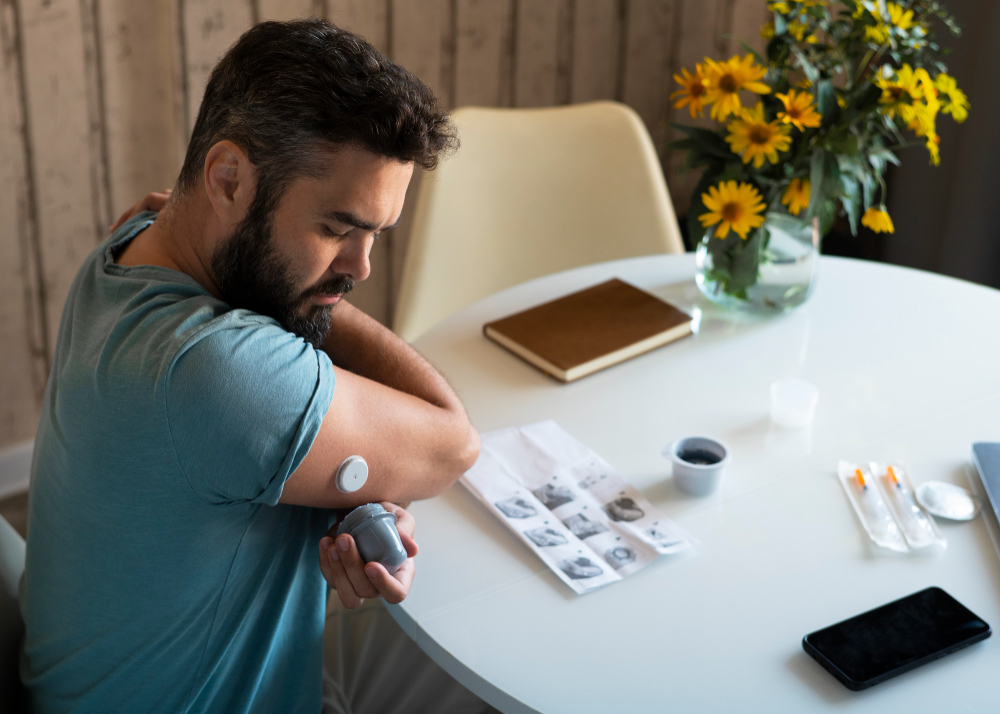
What is Prediabetes?
Prediabetes means your blood sugar is higher than normal, but not high enough for diabetes. Many people have prediabetes and do not know it. In fact, the CDC says over one in three adults in the United States have prediabetes. However, early action can help prevent type 2 diabetes. Prediabetes often has no clear symptoms, so regular check-ups are important. Understanding the early signs of prediabetes can help you take control of your health.
Early Signs and Symptoms
Most people with prediabetes do not notice any symptoms. Still, some early signs may appear. For example, you may feel more thirsty or tired than usual. It is important to watch for these changes. Early signs of prediabetes can include:
Even if you do not have symptoms, you may still have prediabetes. Therefore, regular screening is key, especially if you have risk factors.
Common Causes and Risk Factors
Several factors can increase your risk for prediabetes. Some you can control, while others you cannot. Knowing these can help you make healthy choices. Common causes and risk factors include:
While you cannot change your age or family history, you can focus on healthy habits to lower your risk.
How Prediabetes is Diagnosed
Doctors use simple blood tests to diagnose prediabetes. These tests measure your blood sugar levels. Common tests include:
If your results are higher than normal but not in the diabetes range, you may have prediabetes. Your doctor will explain what your numbers mean and what steps to take next.
Treatment and Lifestyle Changes
Prediabetes can often be managed with healthy lifestyle changes. In many cases, you can even reverse it. Doctors may suggest:
Even small changes can make a big difference. For example, walking daily or choosing water over sugary drinks helps lower your risk.
Prevention Tips
Preventing prediabetes is possible with simple steps. Here are some prediabetes prevention tips:
Because prediabetes often has no symptoms, regular check-ups are important. Early action can help you avoid type 2 diabetes.
When to See a Doctor
If you notice early signs of prediabetes or have risk factors, talk to your doctor. For example, if you feel tired often or have increased thirst, it is wise to get tested. Also, if you have a family history of diabetes, regular screening is important. Your doctor can guide you on the best steps for your health.
Conclusion
Prediabetes is a warning sign, but you can take action. With healthy habits and regular check-ups, you can lower your risk. Consult a healthcare specialist for personalized advice on prediabetes.